What Are the Most Common Plumbing Emergencies at Home?
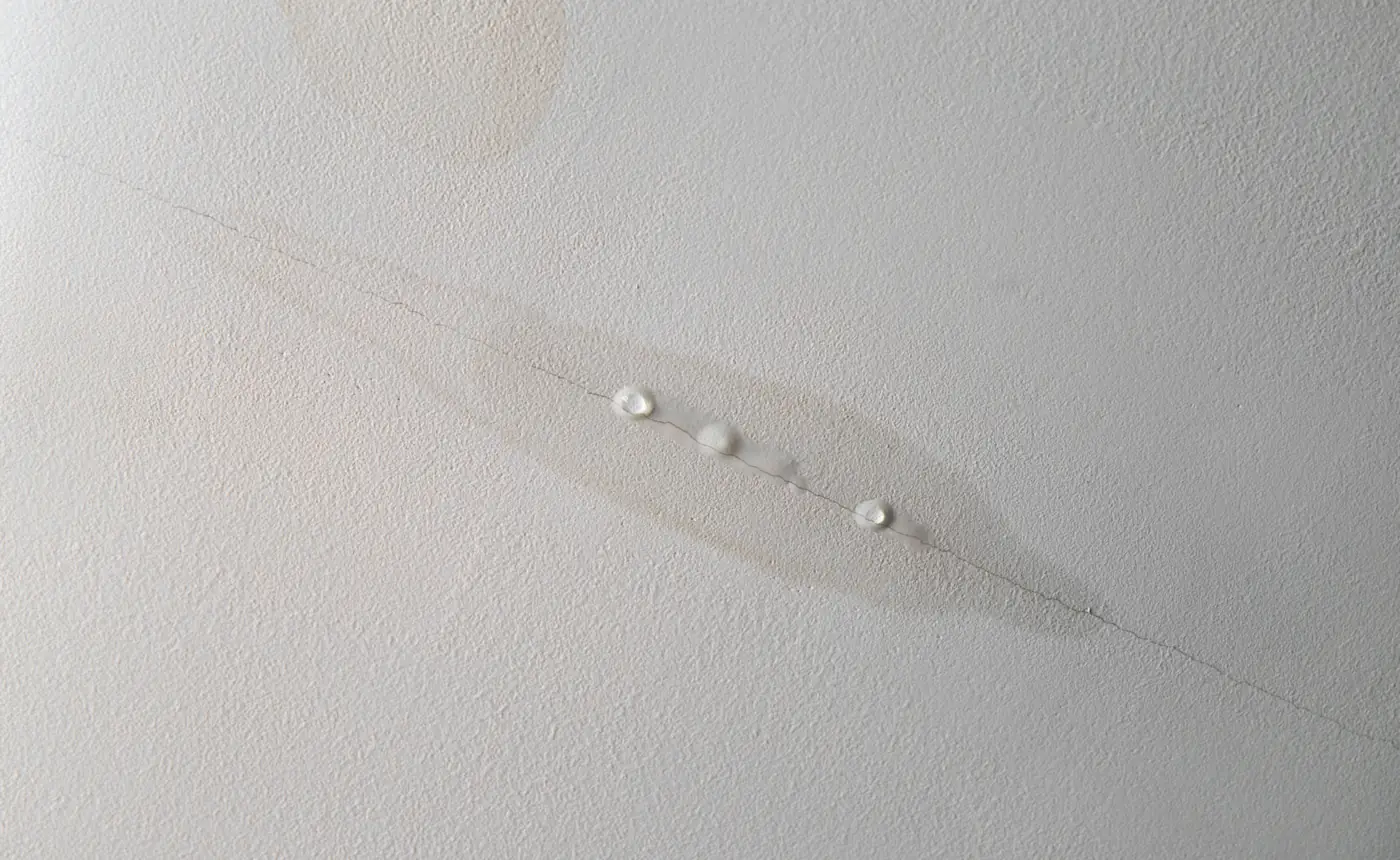
Plumbing emergencies can happen without warning and quickly turn a minor household problem into costly damage. A burst pipe, overflowing toilet or serious drain blockage can affect floors, walls, appliances and other parts of your home if it is not addressed promptly.
Knowing the most common plumbing emergencies can help homeowners recognise problems early and understand when professional assistance is needed. From leaking pipes and blocked drains to hot water and gas issues, knowing what to look for can help you respond quickly and protect your property.
1. Burst or Majorly Leaking Pipes
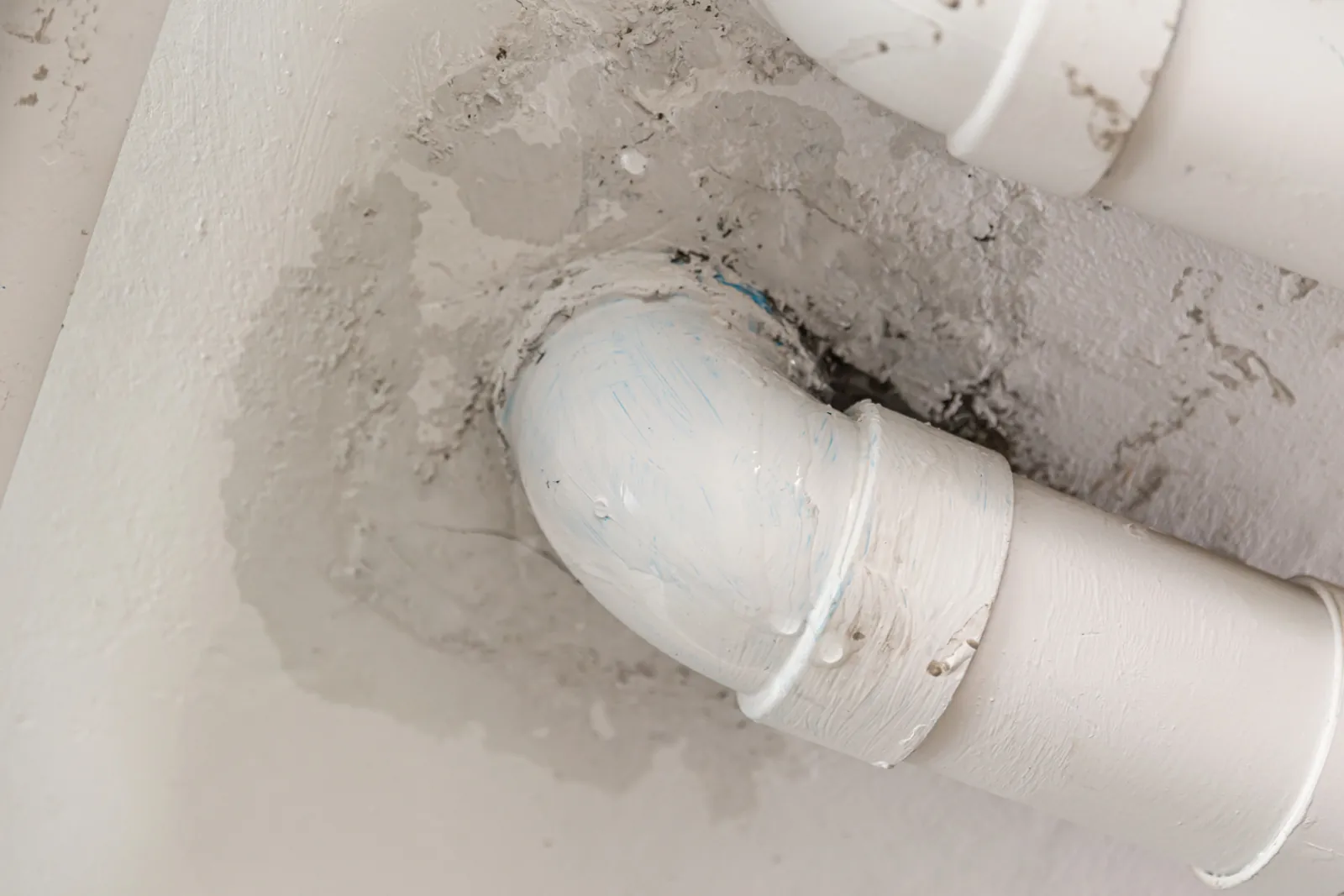
A burst pipe is one of the most urgent plumbing problems a homeowner can face. A sudden loss of water pressure, rapidly spreading water or water appearing from ceilings, walls or floors can indicate a serious leak.
Even a relatively small pipe leak can cause significant water damage if it continues unchecked. Hidden leaks can also remain unnoticed for some time, potentially affecting building materials and creating ongoing moisture problems.
If a pipe bursts, turn off the main water supply if it is safe to do so and contact an emergency plumber. Professional leak detection can also help identify hidden leaks when the source is not immediately visible.
2. Blocked or Overflowing Toilets
A blocked toilet is another common household plumbing emergency, particularly when water continues rising after flushing.
A blockage may be caused by excessive toilet paper, unsuitable items being flushed or problems further along the drainage system. Repeatedly flushing an overflowing toilet can make the situation worse and increase the risk of water damage.
Avoid continuing to use the toilet and seek professional assistance if plunging does not resolve the problem or if the blockage keeps returning. Persistent blockages may indicate a more significant drainage issue.
3. Severe Blocked Drains
Not every blocked drain starts as an emergency. Slow drainage, gurgling sounds and unpleasant odours can be early warning signs that should not be ignored.
When a blockage becomes severe, water may stop draining completely or begin backing up through sinks, showers or other fixtures. In some cases, tree roots, damaged pipes or built-up debris can contribute to recurring drainage problems.
Professional drainage services can help identify the cause of the blockage and determine the appropriate repair. Acting early can prevent a minor drainage problem from developing into a more disruptive plumbing emergency.
4. Hot Water System Failures
Losing hot water is inconvenient, but some hot water problems can also require urgent attention.
Common warning signs include no hot water, unusual noises, water leaking from the system or inconsistent water temperature. A leaking hot water system can potentially cause water damage, while certain faults may require professional assessment.
Homeowners should avoid attempting complex repairs themselves. A licensed plumber can assess the system, identify the problem and determine whether repair or replacement is appropriate.
5. Gas Plumbing Emergencies
Gas-related plumbing problems should always be treated seriously. Warning signs can include the smell of gas, unusual appliance behaviour or suspected damage to gas pipework.
If you suspect a gas leak, avoid flames, smoking and electrical switches, move away from the affected area where possible and seek appropriate professional assistance. Do not attempt to repair gas pipework yourself.
Gas fitting should be carried out by a suitably licensed professional. Correct installation, repairs and servicing help ensure gas appliances and pipework are handled safely.
6. Sewer Backups
A sewer backup can create an unpleasant and potentially hazardous situation in a home. Warning signs can include multiple blocked fixtures, wastewater backing up through drains, foul smells and unusual gurgling sounds.
A sewer problem should not be treated like an ordinary blocked sink. If wastewater is backing up into the property, minimise contact with it and arrange professional plumbing assistance as soon as possible.
A plumber can investigate the drainage system and determine whether the problem is caused by a blockage, damaged pipework, tree roots or another issue.
7. Serious Water Leaks
Not every emergency involves a dramatic burst pipe. A concealed water leak can be just as concerning when it continues for an extended period.
Stains on walls or ceilings, damp areas, unexplained increases in water usage, mould-like odours and constantly running water can indicate a hidden plumbing leak.
Professional leak detection can help locate the source without relying on guesswork. Identifying and repairing leaks early can help minimise unnecessary water loss and potential property damage.
What Should You Do During a Plumbing Emergency?
The first priority is to reduce the risk of further damage while arranging professional assistance.
If there is a major water leak, turn off the relevant fixture or the property's main water supply if you can do so safely. Keep people away from areas where water may have reached electrical equipment.
For gas concerns, avoid ignition sources and leave the affected area if necessary. For overflowing toilets, stop flushing and avoid using the affected fixture.
Most importantly, do not attempt repairs that are beyond your knowledge or equipment. A quick DIY fix may sometimes make the underlying problem worse.
When Should You Call an Emergency Plumber?
You should consider urgent professional assistance when water is rapidly escaping, wastewater is backing up, a pipe has burst, you have a serious drainage blockage, your hot water system is leaking or you suspect a gas problem.
Other plumbing issues may not require an emergency response but should still be investigated before they become more serious. Slow drains, recurring leaks, low water pressure and unusual plumbing noises can all be warning signs.
Elite Line Plumbing provides plumbing services across Western Sydney and surrounding areas, including emergency plumbing, drainage and blocked drains, hot water systems, gas fitting, bathroom, kitchen and laundry plumbing, maintenance and repairs, and appliance installation.
Preventing Plumbing Emergencies at Home
Although not every plumbing emergency can be prevented, homeowners can reduce their risk by responding to warning signs early.
Do not ignore slow drains, leaking taps, damp patches, unusual smells or changes in water pressure. Avoid flushing unsuitable items down toilets and dispose of cooking oils and grease appropriately rather than pouring them down household drains.
Regular plumbing maintenance can also help identify developing problems before they become urgent. Professional inspections and repairs may be particularly useful for older plumbing systems or properties experiencing recurring issues.
Final Thoughts
The most common plumbing emergencies at home include burst pipes, serious leaks, overflowing toilets, blocked drains, hot water failures, gas problems and sewer backups. While the severity of each situation can vary, delaying the right response can allow a relatively small plumbing problem to cause greater disruption.
Knowing the warning signs and acting promptly can help protect your home. When a plumbing issue goes beyond a simple DIY task, contacting a licensed plumber can provide a safer and more reliable solution.
Frequently asked questions
What is the most common plumbing emergency at home?
Common emergencies include burst or leaking pipes, blocked drains, overflowing toilets, hot water failures, sewer backups and gas-related plumbing problems.
What should I do if a pipe bursts in my house?
Turn off the main water supply if it is safe to do so, move away from affected areas and contact a professional plumber as soon as possible.
Is a blocked drain considered a plumbing emergency?
A minor blockage may not be an emergency, but a severe or recurring blockage, particularly one causing wastewater to back up into the home, requires prompt professional attention.
When should I call an emergency plumber?
Call an emergency plumber when you have a major water leak, burst pipe, serious drain or sewer backup, significant hot water system leak or another problem that could cause immediate damage or safety concerns.
Can a hidden water leak become an emergency?
Yes. A hidden leak can continue unnoticed and potentially cause water damage. Warning signs include damp areas, water stains, unexplained water usage and persistent moisture.
Are gas plumbing problems an emergency?
Suspected gas leaks should always be treated seriously. Avoid flames and other ignition sources, move away from the affected area where appropriate and contact a suitably licensed professional.
How can I prevent plumbing emergencies?
Respond to warning signs early, avoid putting unsuitable materials down drains and toilets, address leaks promptly and arrange professional maintenance when plumbing problems repeatedly occur.