Can a Leaking Tap Cause Serious Water Damage?
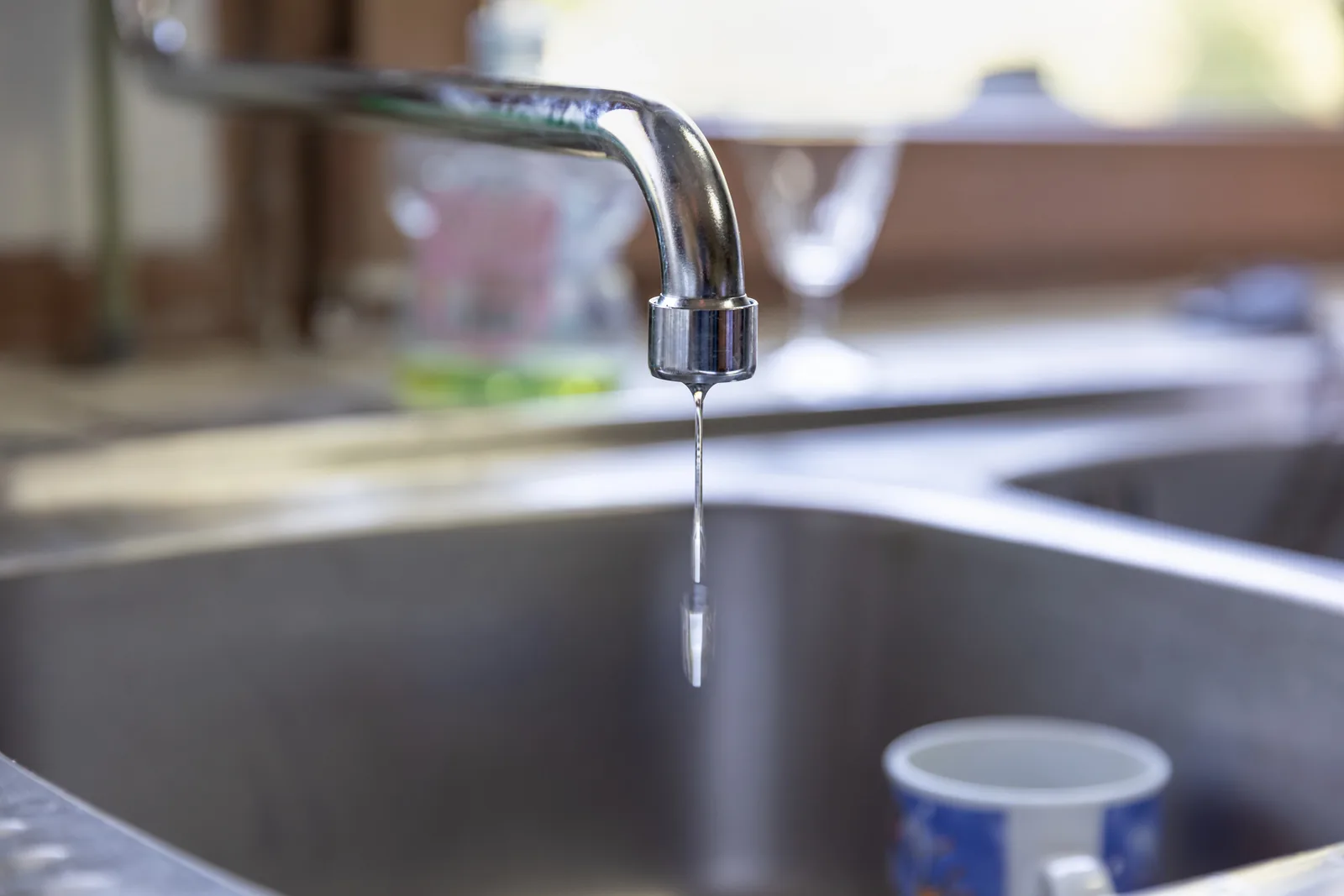
A leaking tap might seem like a minor plumbing problem. After all, a few drops of water falling from a tap may not appear serious compared with a burst pipe or overflowing toilet. However, leaving a leaking tap unrepaired can waste water, damage surrounding surfaces and sometimes indicate a more significant plumbing issue.
Whether the leak is in your kitchen, bathroom, laundry or another part of the home, it is worth addressing promptly. A small leak can gradually become a bigger problem, particularly when water is getting into cabinets, walls, flooring or other areas where it may not be immediately visible.
How Can a Leaking Tap Cause Water Damage?
The most obvious problem with a leaking tap is the continuous presence of water. While a small drip may not cause immediate damage, repeated exposure can affect the surfaces and materials around the fixture.
For example, a leaking kitchen tap may allow water to collect around the base of the sink or inside a cabinet. Over time, this moisture can affect cabinetry, flooring and other surrounding materials.
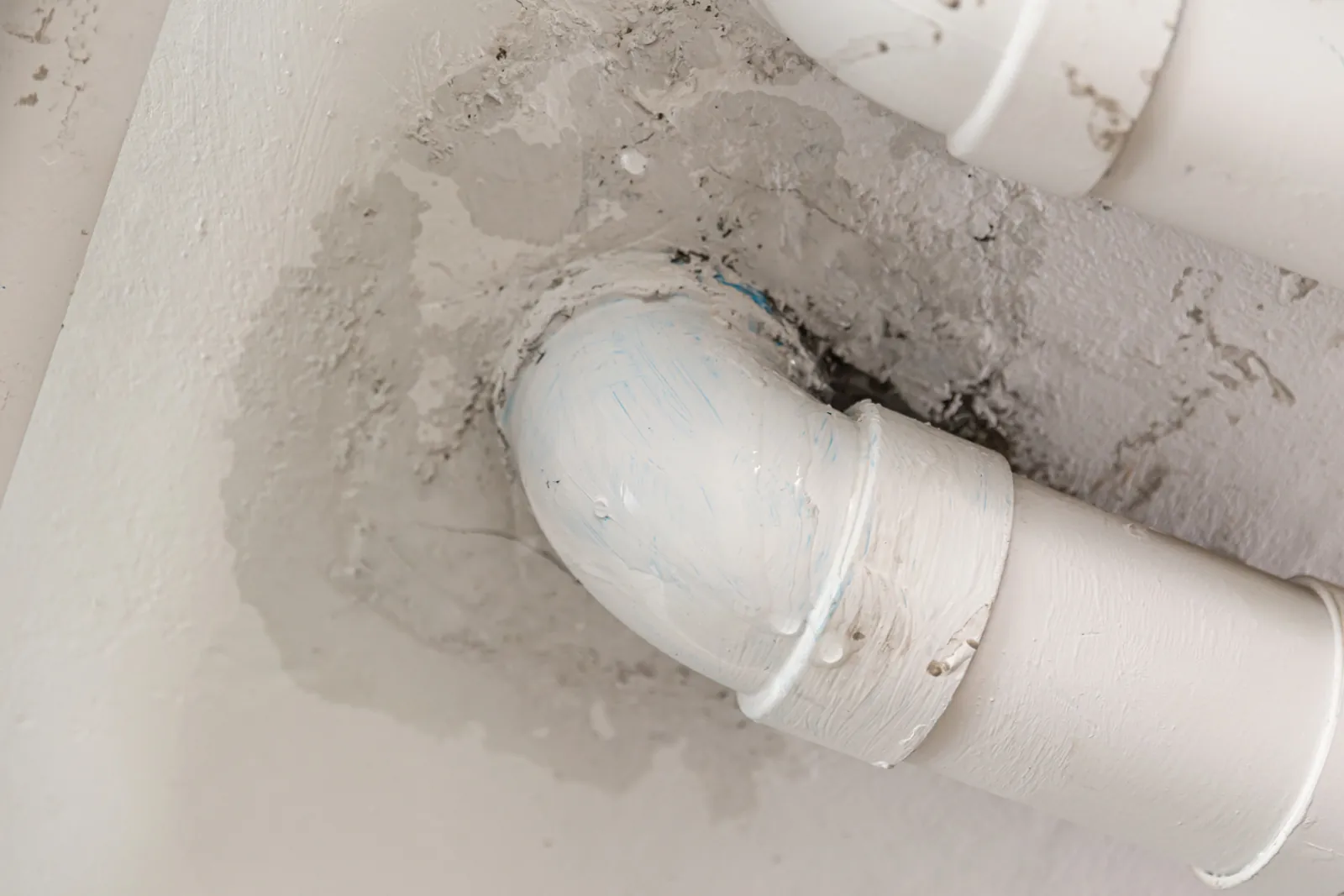
Bathroom and laundry leaks can create similar problems. Water may run behind fixtures, underneath surfaces or into areas that are difficult to see. By the time visible staining, swelling or dampness appears, the problem may have been developing for some time.
A Small Leak Can Be a Warning Sign
A dripping tap is not always just a worn washer or damaged seal. Sometimes, it can indicate that a tap component needs repair or replacement, while other situations may involve problems with connected plumbing.
Other warning signs should also be considered. These can include:
- Dampness around the tap or sink
- Water pooling around the fixture
- Staining on cabinets, walls or floors
- Swollen or damaged cabinetry
- Musty or damp smells
- Unexplained increases in water usage
- Reduced or unusual water pressure
- A tap that is difficult to turn on or off
- Water appearing underneath a sink
If you notice several of these signs, it is sensible to have the plumbing checked rather than simply wiping away the water and continuing to use the fixture.
Can a Leaking Tap Damage Kitchen Cabinets?
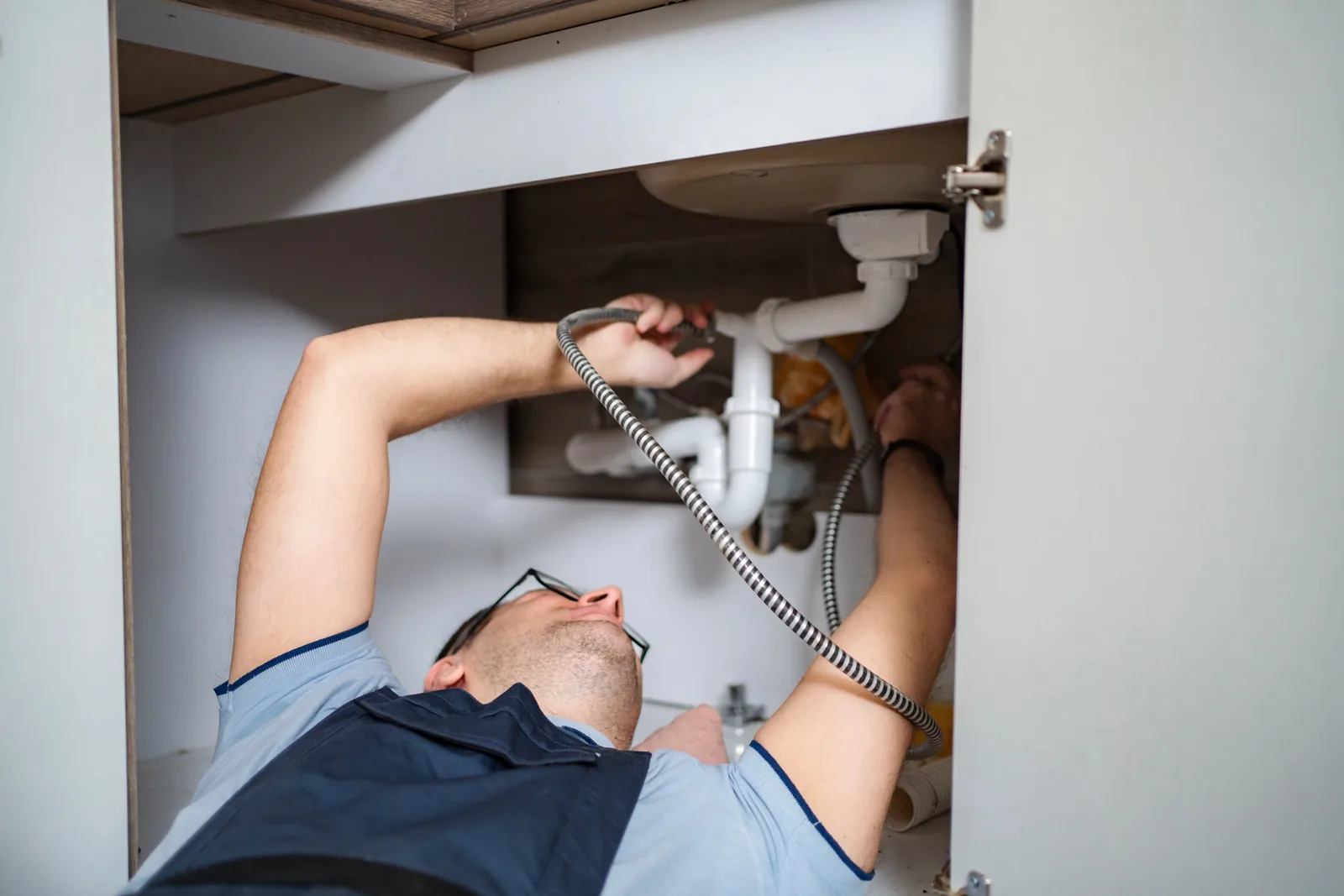
Yes. Kitchen cabinets underneath a sink can be particularly vulnerable because leaks may remain hidden inside the cabinet.
A small amount of water can collect around plumbing connections or the base of the tap. If the leak continues, moisture may affect timber, laminate, seals and other cabinet materials.
Homeowners should periodically check underneath kitchen sinks for dampness, water stains, swelling or unusual smells. Finding a problem early can make it easier to address before more extensive damage occurs.
What About Bathroom and Laundry Taps?
Bathroom and laundry plumbing can also develop leaks that should not be ignored. A dripping basin tap, leaking laundry tap or faulty connection may appear relatively harmless, but continuous moisture can eventually affect nearby surfaces.
In bathrooms, water can also reach areas around vanities, flooring and other fixtures. In laundries, leaks may occur around taps, hoses, washing machine connections and other plumbing components.
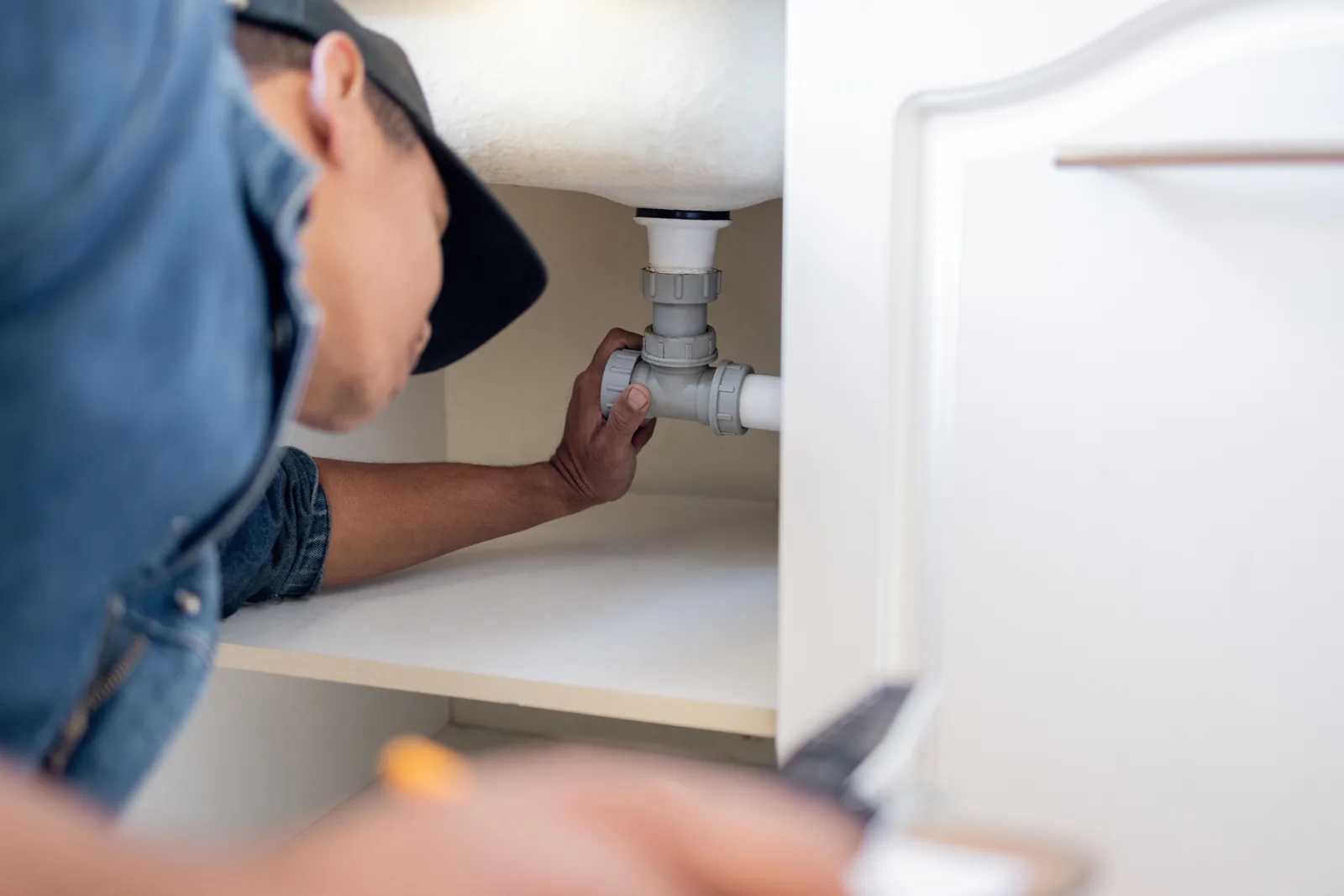
A professional plumber can assess the fixture and surrounding plumbing to determine whether the problem is isolated to the tap or whether further investigation is required.
What Causes a Tap to Leak?
There are several reasons why a tap may start leaking. Components can wear over time through regular use, while seals and other internal parts can deteriorate.
Other possible causes include damaged components, loose connections, corrosion or problems with the plumbing supplying the fixture.
The correct repair depends on the type of tap, the location of the leak and the condition of the components. In some situations, repairing a component may be appropriate. In others, replacing an old or damaged tap may provide a more practical long-term solution.
When Should You Call a Plumber?
Not every dripping tap requires an emergency plumber. However, you should not ignore a leak simply because it appears small.
Contact a plumber if the leak continues after basic adjustments, becomes worse, causes water to pool, damages surrounding materials or keeps returning after a repair.
Professional assistance is particularly important when you cannot identify where the water is coming from. What appears to be a leaking tap may sometimes involve a connection, pipe or concealed leak elsewhere.
Elite Line Plumbing provides maintenance and repairs, emergency plumbing, bathroom, kitchen and laundry plumbing, drainage and blocked drain services, hot water systems, gas fitting and appliance installation.
Can Leak Detection Find a Hidden Plumbing Problem?
Yes. When the source of water is not obvious, professional leak detection can help determine where the problem is coming from.
This can be particularly useful when you notice dampness, staining or unexplained water usage but cannot see an obvious leak.
Instead of assuming the dripping tap is the only problem, a plumber can assess the surrounding plumbing and investigate other possible sources. Identifying the actual cause is important because repairing the visible symptom alone may not resolve an underlying leak.
Should You Repair or Replace a Leaking Tap?
The right option depends on the condition and type of tap.
A repair may be suitable when a replaceable component has worn out and the rest of the tap remains in good condition. Replacement may be more practical when the tap is significantly damaged, corroded, outdated or repeatedly develops problems.
A plumber can inspect the fixture and explain the available options based on the condition of the plumbing.
How Can You Prevent Leaking Taps From Becoming Bigger Problems?
The best approach is to deal with leaks as soon as you notice them.
Do not ignore a tap simply because it is only dripping occasionally. Check underneath sinks and around bathroom and laundry fixtures regularly for dampness, staining or pooling water.
It is also worth paying attention to other plumbing warning signs, such as slow drains, unusual noises, changes in water pressure or recurring leaks. Addressing these problems early can help prevent minor plumbing issues from becoming more disruptive.
For older homes or properties experiencing recurring plumbing problems, professional maintenance can also help identify issues before they become emergencies.
Final Thoughts
So, can a leaking tap cause serious water damage? Yes, it can, particularly when the leak is left unattended for an extended period or water reaches areas that are difficult to see.
A dripping tap may be a simple repair, but it can also be a warning sign of damaged components, faulty connections or another plumbing issue. Taking action early can help minimise water waste and reduce the risk of damage to cabinets, floors, walls and other parts of your home.
If you notice a persistent leak or are unsure where water is coming from, having the problem assessed by a licensed plumber is a sensible step.
Frequently asked questions
Can a small leaking tap cause water damage?
Yes. Even a small leak can continuously expose surrounding surfaces to moisture. Over time, this may damage cabinets, flooring, walls or other materials.
How long can I leave a leaking tap?
It is best not to leave a leaking tap unrepaired. Even a slow drip can continue wasting water and may cause damage if water reaches areas that are not easily visible.
Can a leaking kitchen tap damage the cabinet underneath?
Yes. Water can collect inside or underneath a kitchen cabinet, potentially causing swelling, staining, deterioration and other moisture-related damage.
Is a leaking tap an emergency?
A minor dripping tap is not usually an emergency, but urgent plumbing assistance may be appropriate if the leak is severe, rapidly worsening, causing significant water damage or cannot be isolated.
What causes a tap to leak?
Common causes include worn components, damaged seals, loose connections, corrosion and general wear and tear. A plumber can determine the specific cause and recommend an appropriate repair.
Should I repair or replace a leaking tap?
It depends on the condition of the tap. A repair may be suitable when a component has worn out, while replacement may be more appropriate if the tap is damaged, corroded or repeatedly develops problems.
Can a plumber detect a hidden water leak?
Yes. Professional leak detection can help identify the source of a leak when it is not immediately visible, particularly when there are signs such as dampness, staining or unexplained water usage.
How can I prevent leaking taps from causing serious damage?
Address leaks promptly, regularly check underneath sinks and around plumbing fixtures, and arrange professional assistance when a leak persists or its source is unclear.